
From Locks to Loyalty: A Device-Lock Field Guide
The first time a lender flips a device lock in production, two clocks start ticking.
Join the leaders learning these secrets and receive exclusive FinTech trends for free.
Based on years of experience in finance, retail and telecom and deep understanding of business needs.
The first time a lender flips a device lock in production, two clocks start ticking.
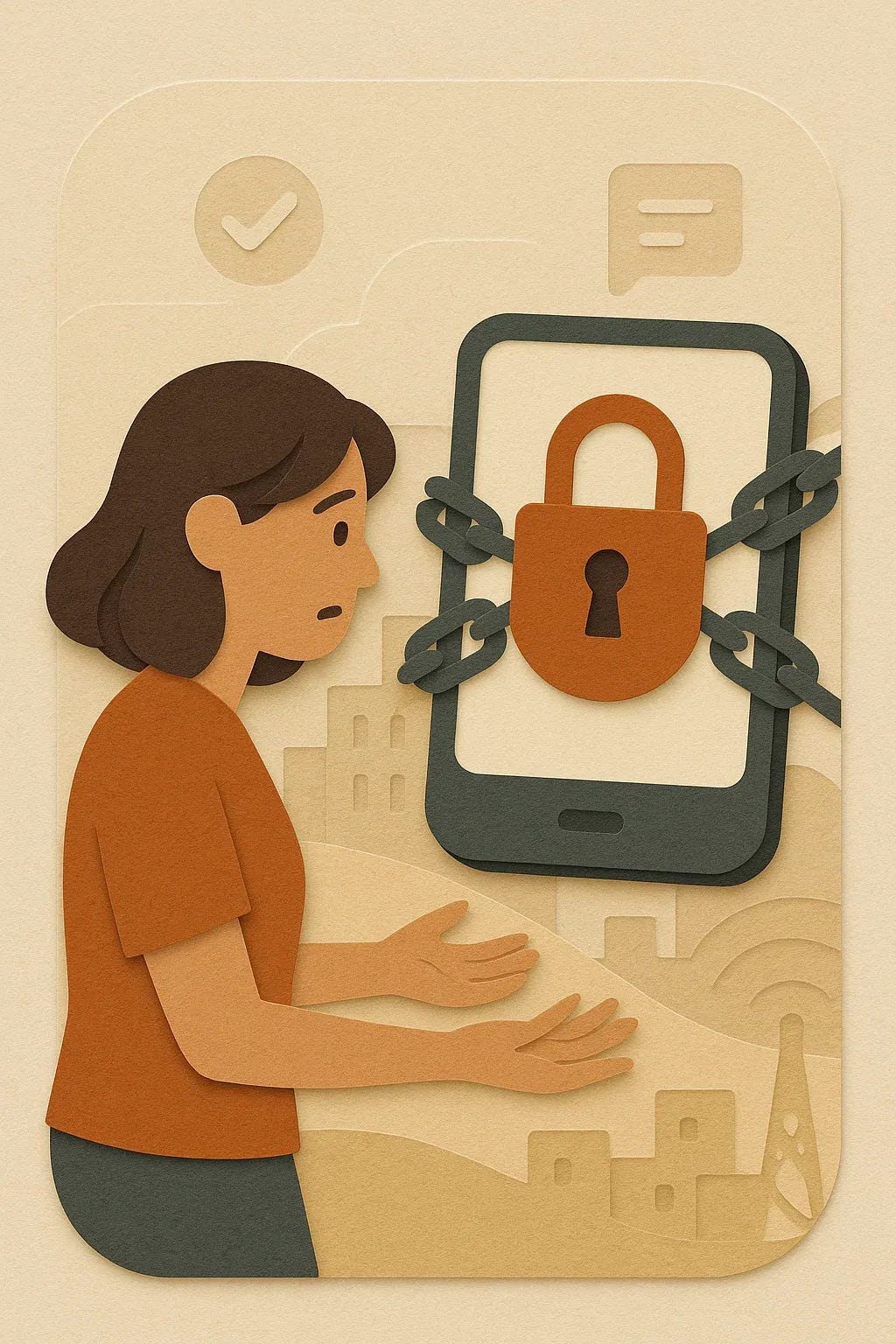
The first time a handset went dark, it wasn’t a failure of code.
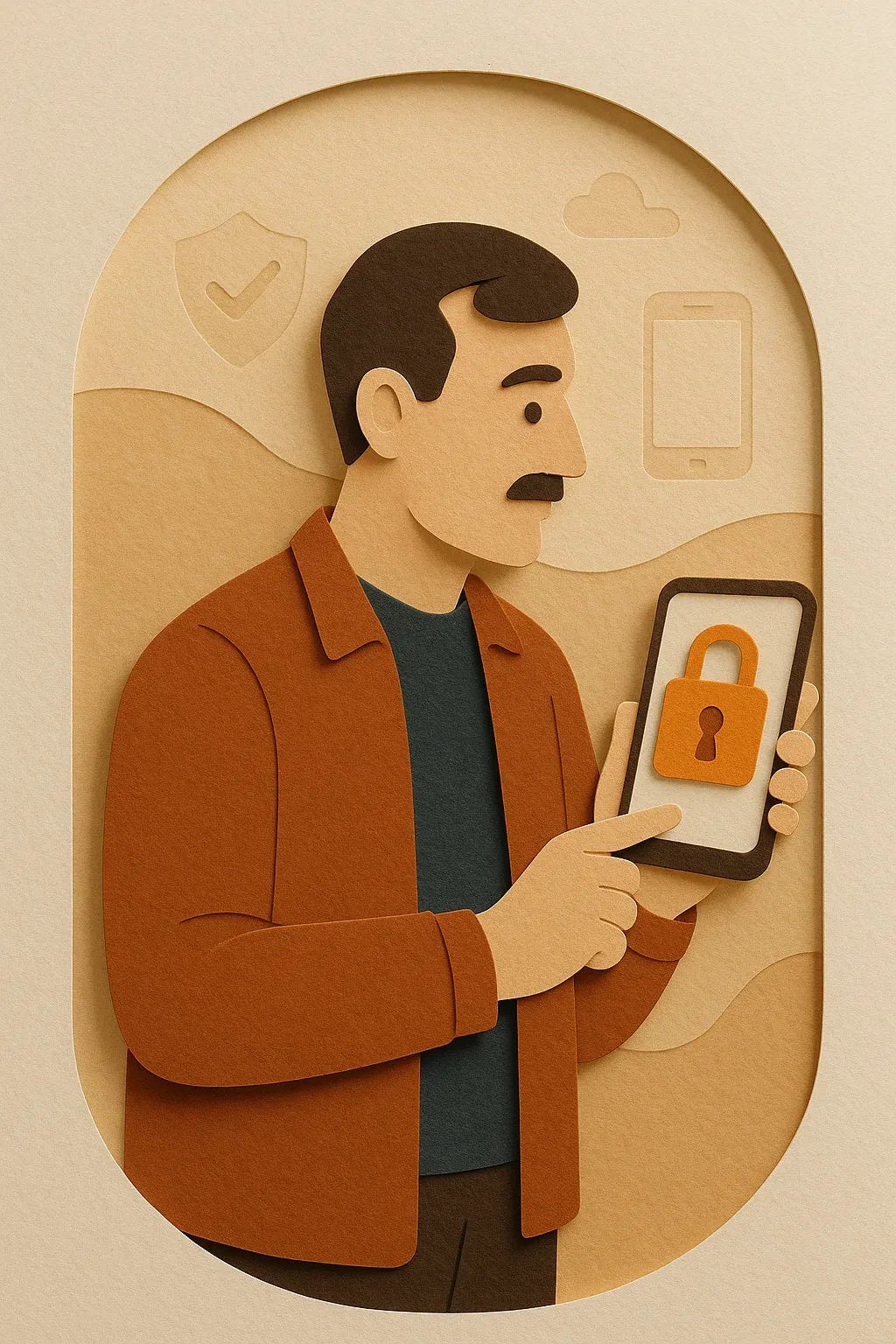
As mobile credit scales across emerging markets, one question keeps surfacing: how can repayment enforcement coexist with trust and privacy—without breaking the user experience or the law?
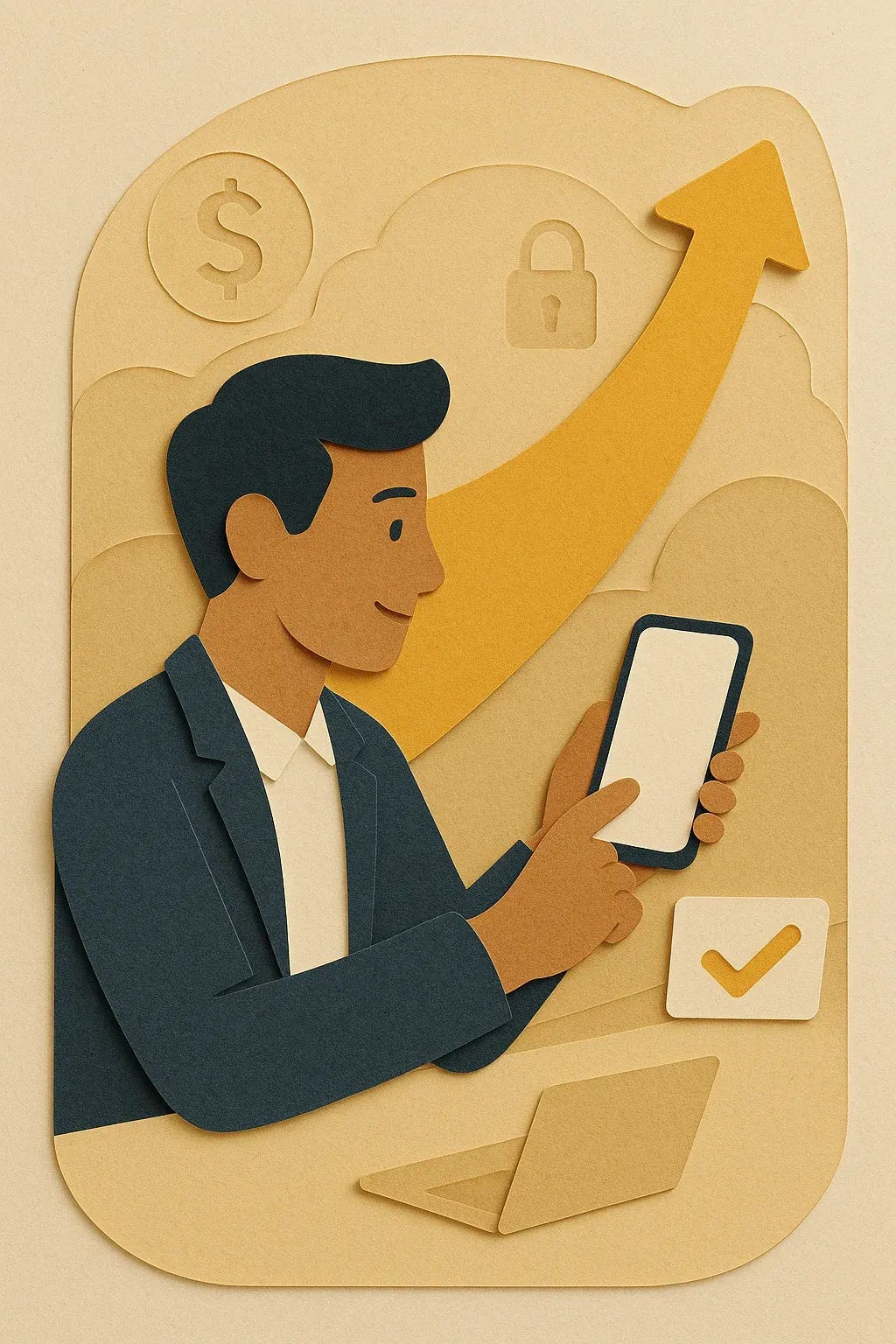
Device financing is booming across emerging markets, but the mechanism most people debate—device locking—isn’t the story that separates winners from stalled pilots.
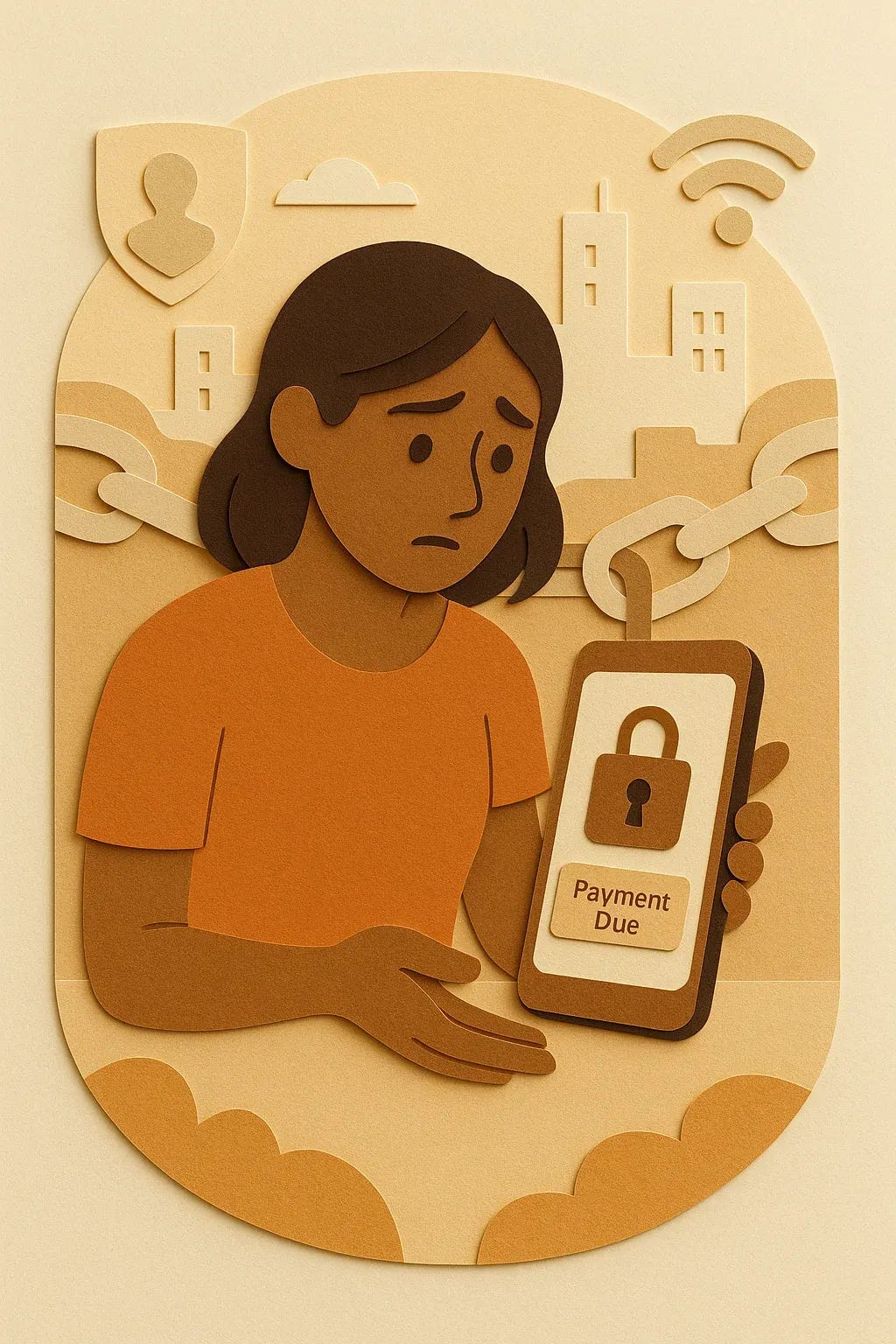
On a crowded street in Nairobi, a young shopkeeper pulls out her smartphone to pay a supplier.
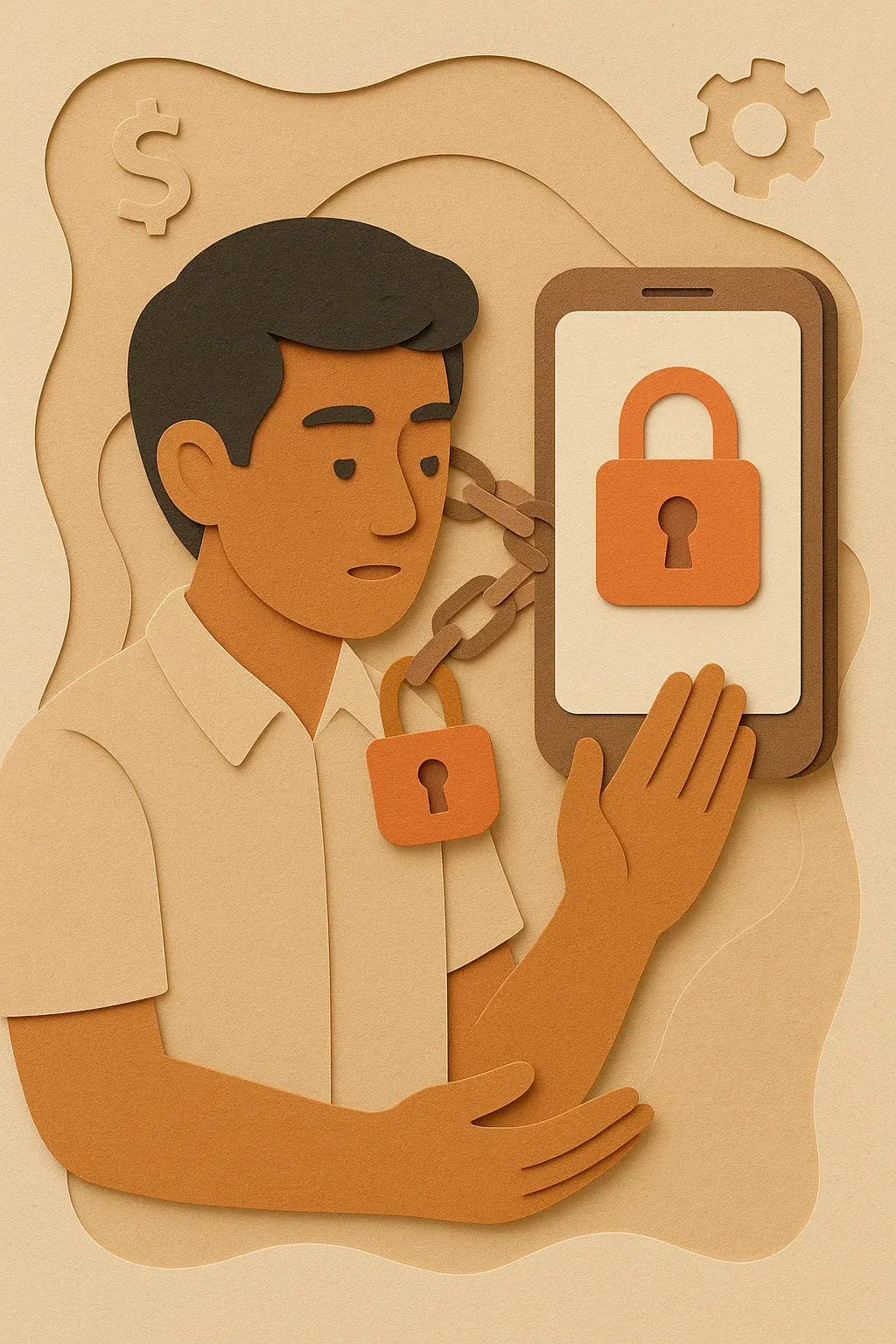
When a fintech in Southeast Asia misused device locking to install spyware on borrower smartphones, the fallout was swift: regulators shut the company down, customers lost trust, and competitors were tainted by association.
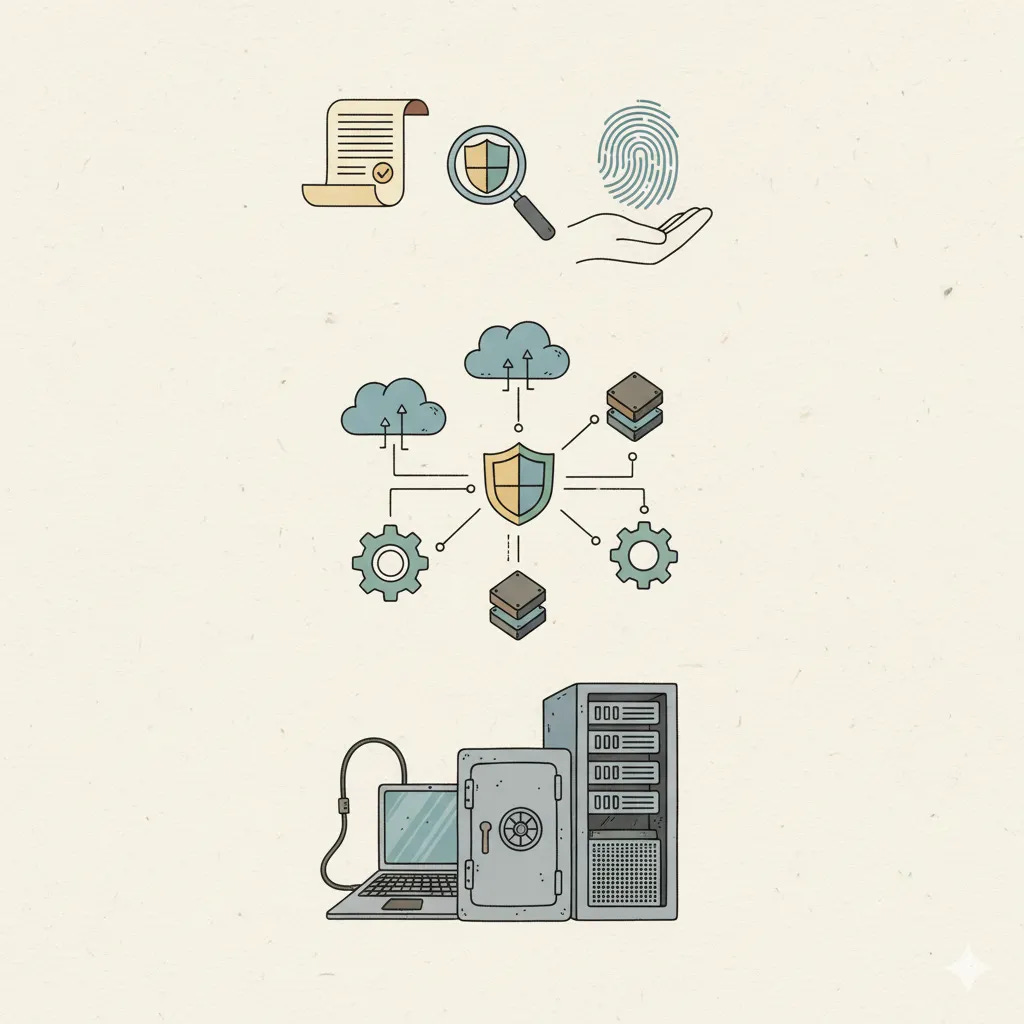
Device lock has many faces.
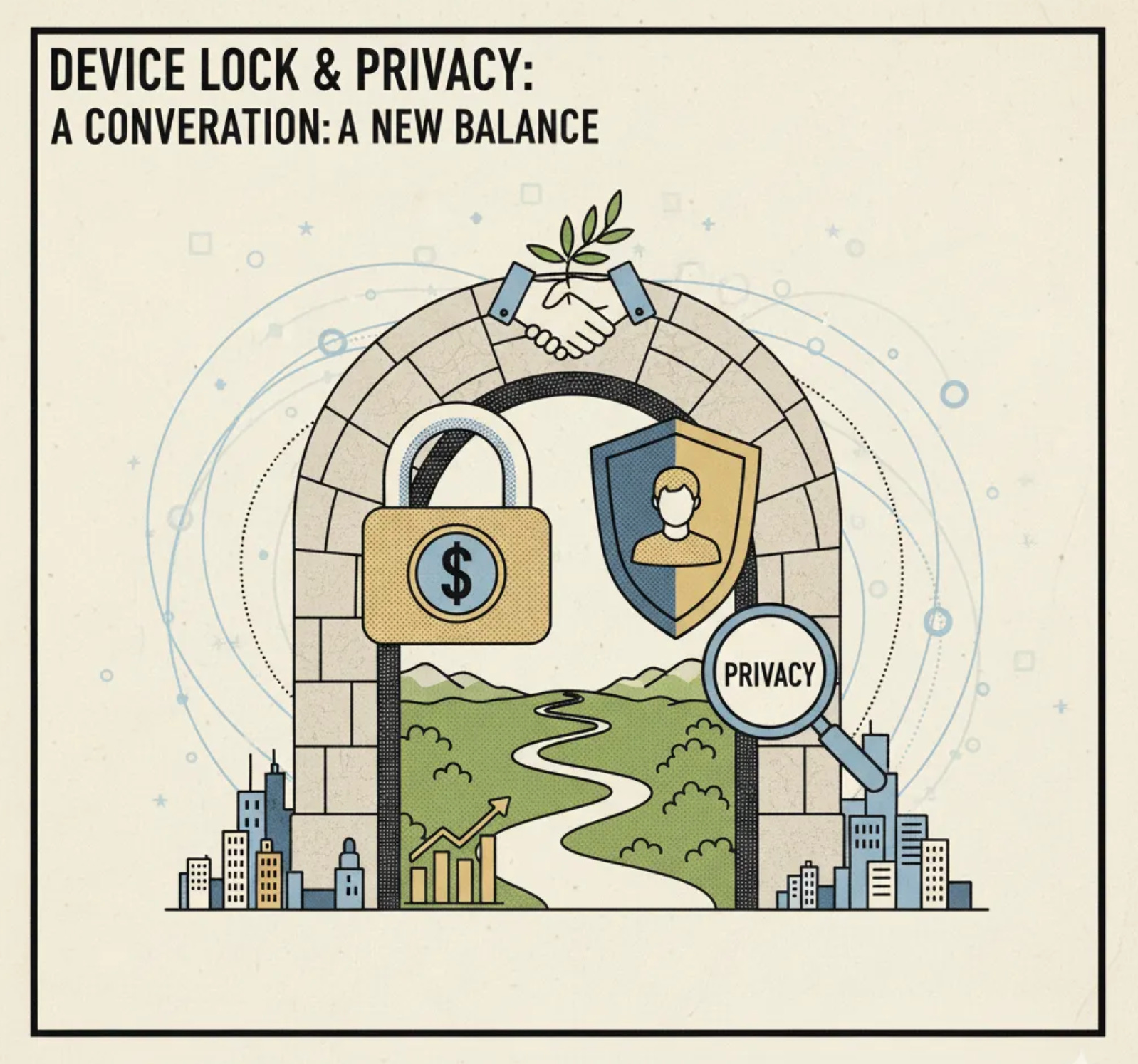
As mobile credit grows across emerging markets, one question stands out: how can repayment enforcement coexist with user privacy?
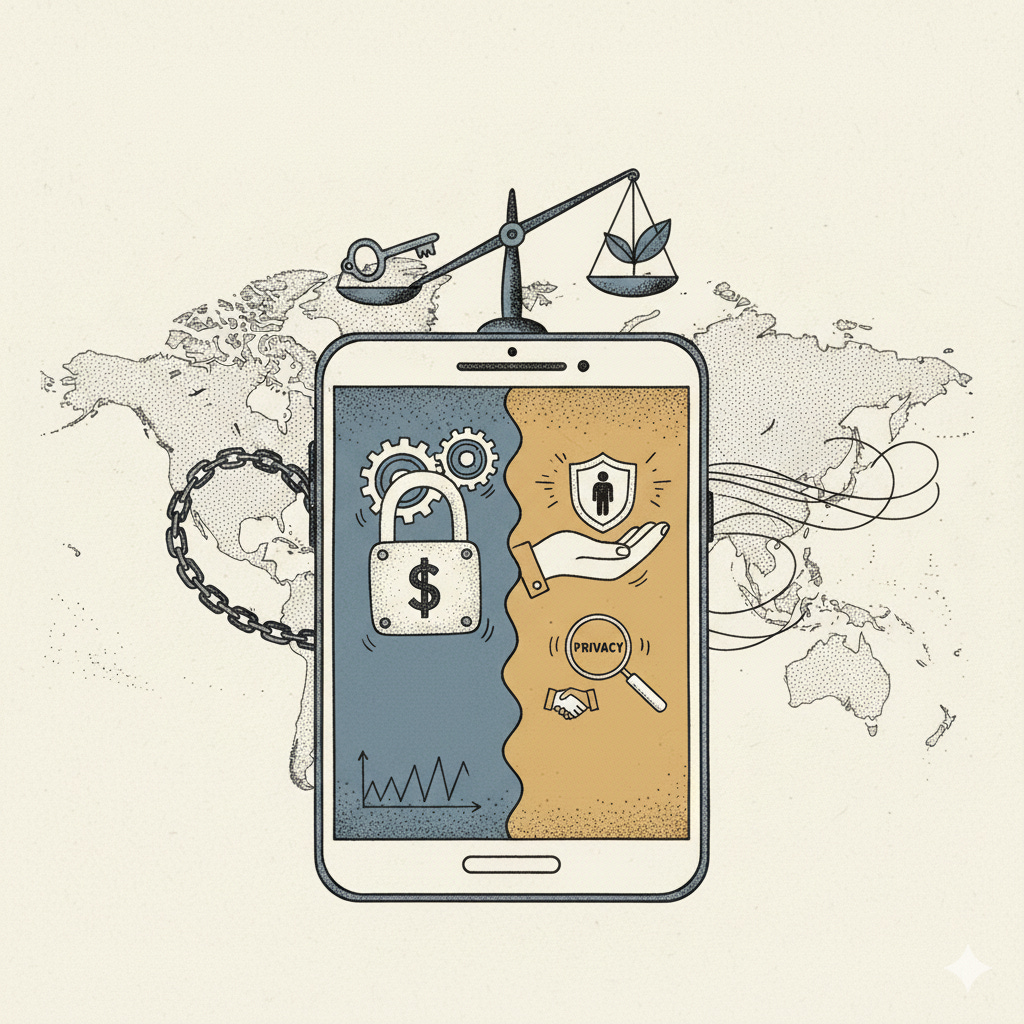
As mobile credit expands across emerging markets, one question looms large: how can lenders and telecom operators enforce repayment without undermining the privacy of their users?
How to Implement It Without Losing Users
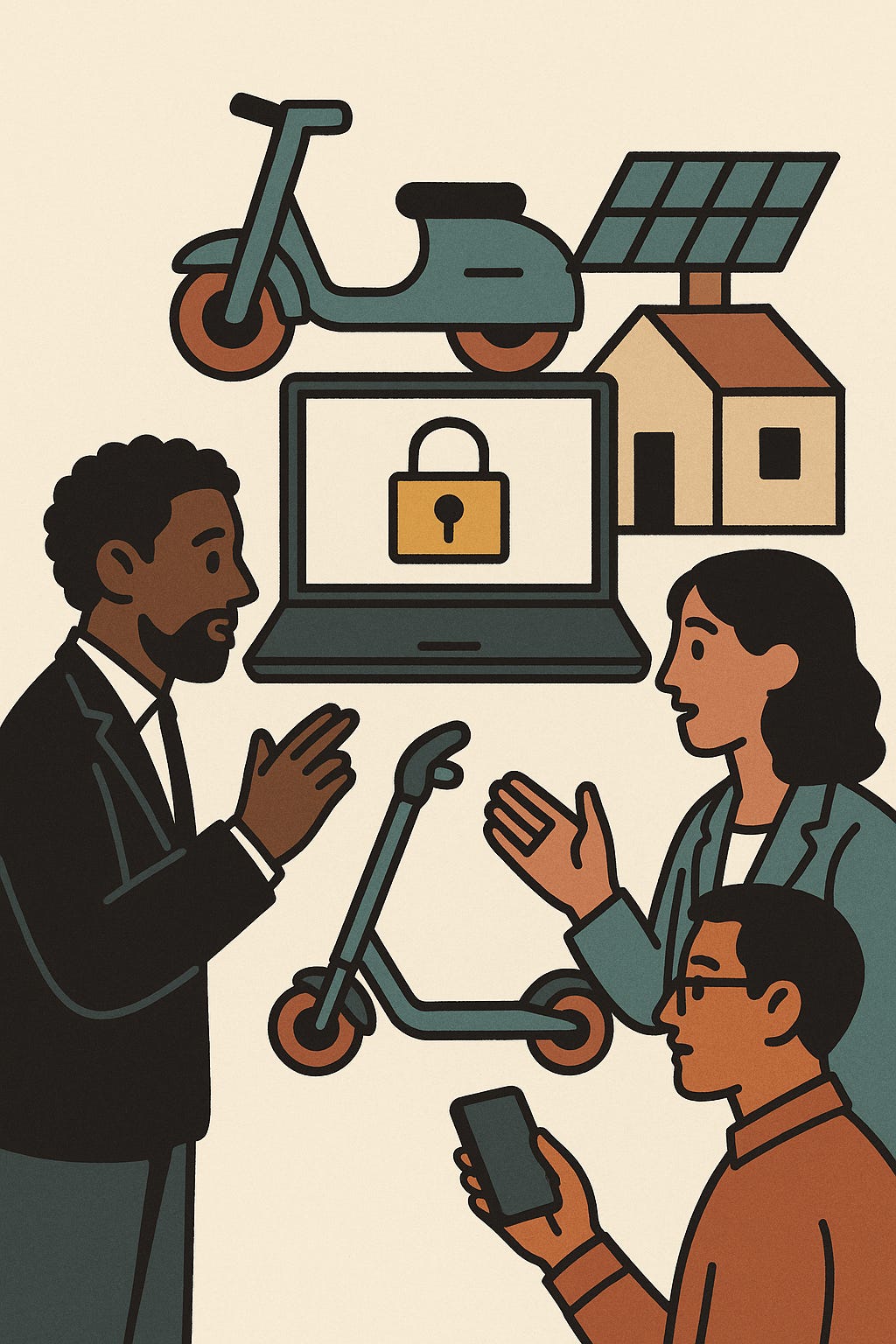
From smartphones to scooters—how a fintech enforcement tool is shaping global credit access.

An excerpt from our conversation with Victor Kirnarskiy, CEO of GetMobi
By GetMobi Editorial Team
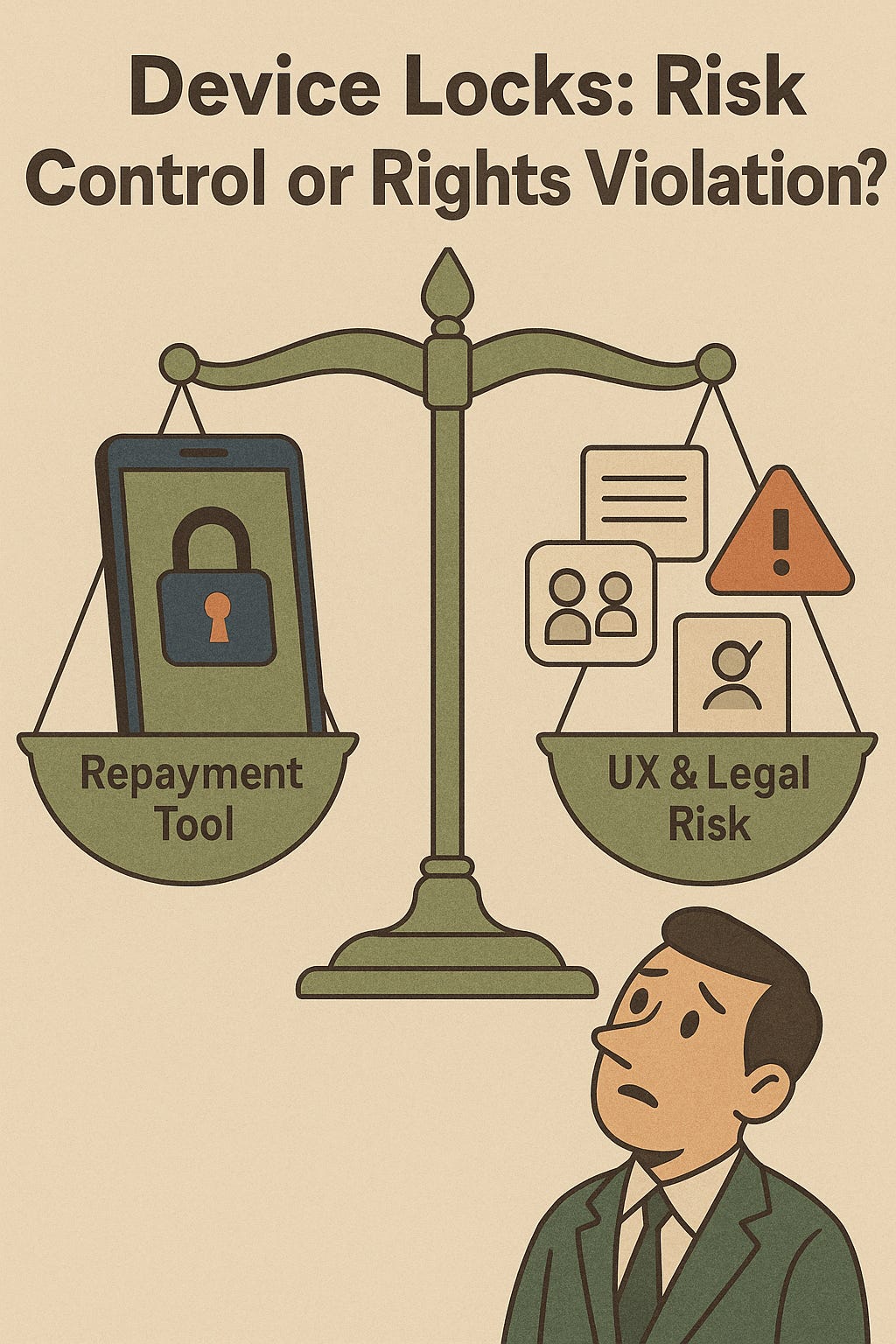
By GetMobi Editorial Team
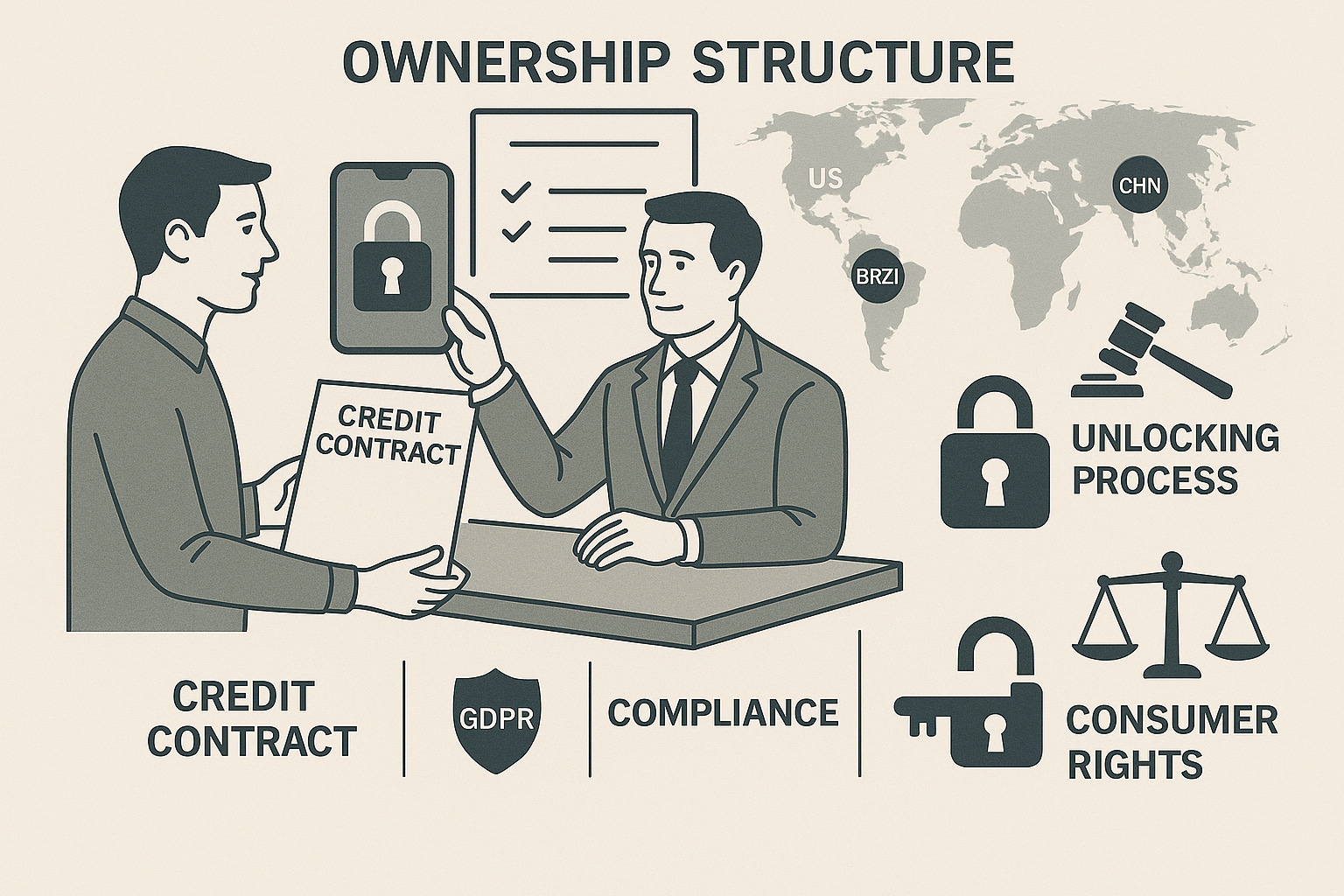
Transform Compliance into Competitive Advantage with Transparent, Consumer-First Device-Financing Practices
In a market flooded with information, it stands out for its clear, concise, and authoritative coverage of the FinTech sector.
Share your thoughts with us. We would love to hear your ideas or suggestions for future articles.
[email protected]